Beet and Ginger Juice
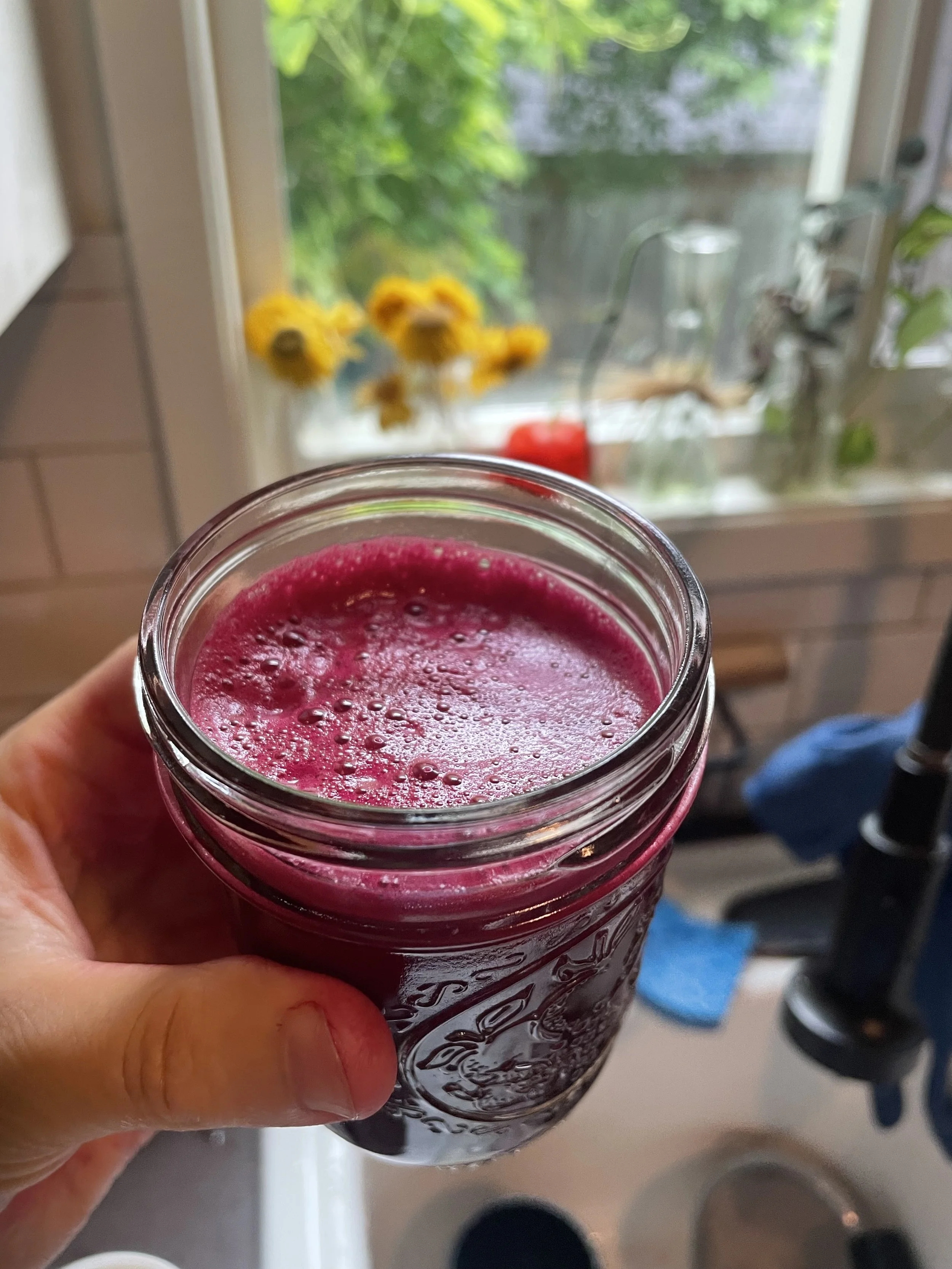
Beet and ginger juice is the new celery juice, in my opinion, anyways.
I used to make celery juice regularly, but a friend introduced me to beet and ginger juice, and I never looked back!
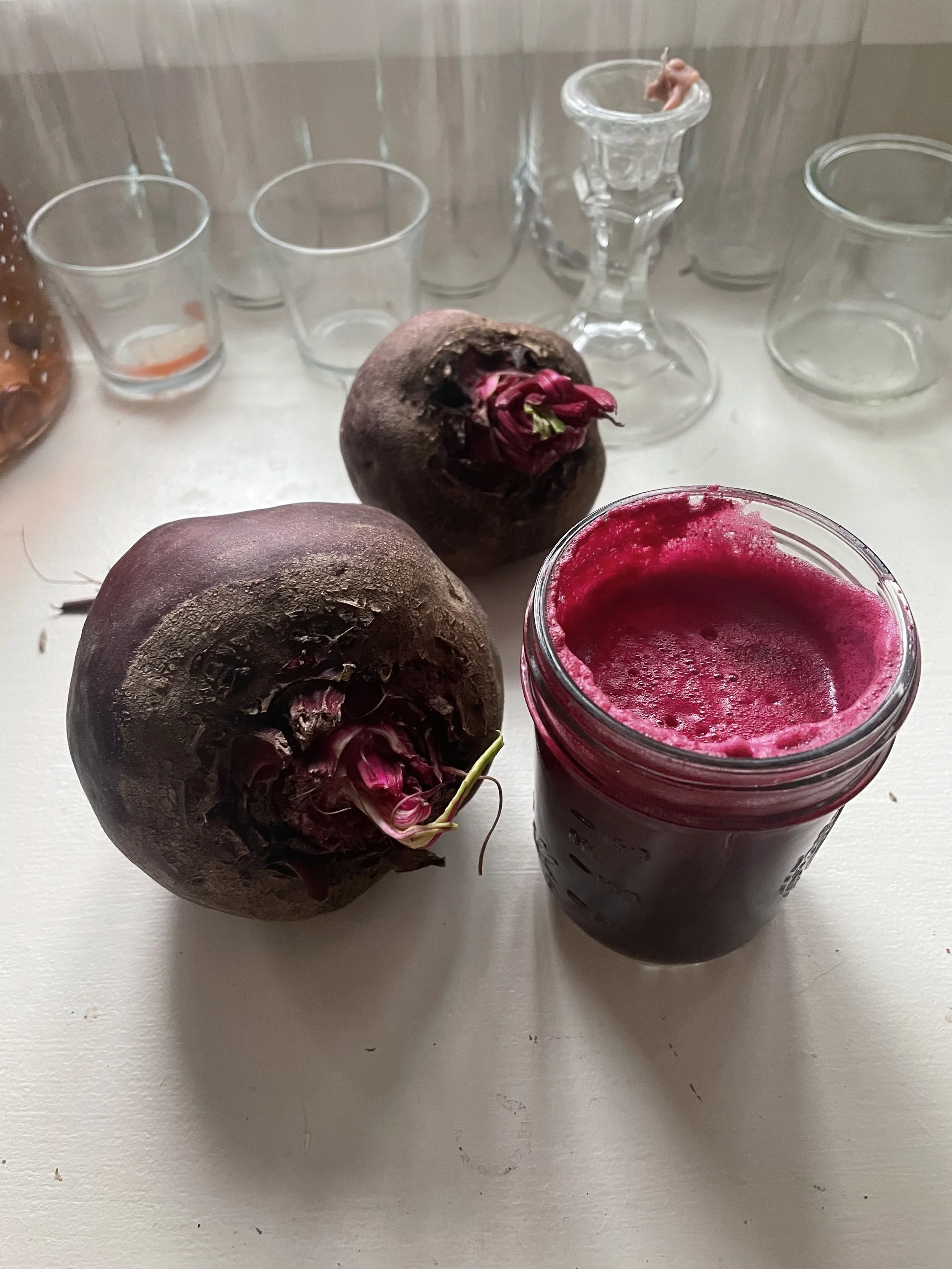
Beets are high in antioxidants and polyphenols. Their main active ingredient is betanin, which helps to counteract oxidative stress in the body and contributes to its rich red color. They are anti-inflammatory, hepato-protective, help regulate blood pressure and improve cognitive function. They are rich in minerals like potassium, magnesium, sodium, vitamin C, folate, vitamin A, and zinc. Studies have shown that because they are rich in nitrates, some athletes have benefited from taking beet juice as a way to enhance their performance and decrease muscle soreness.
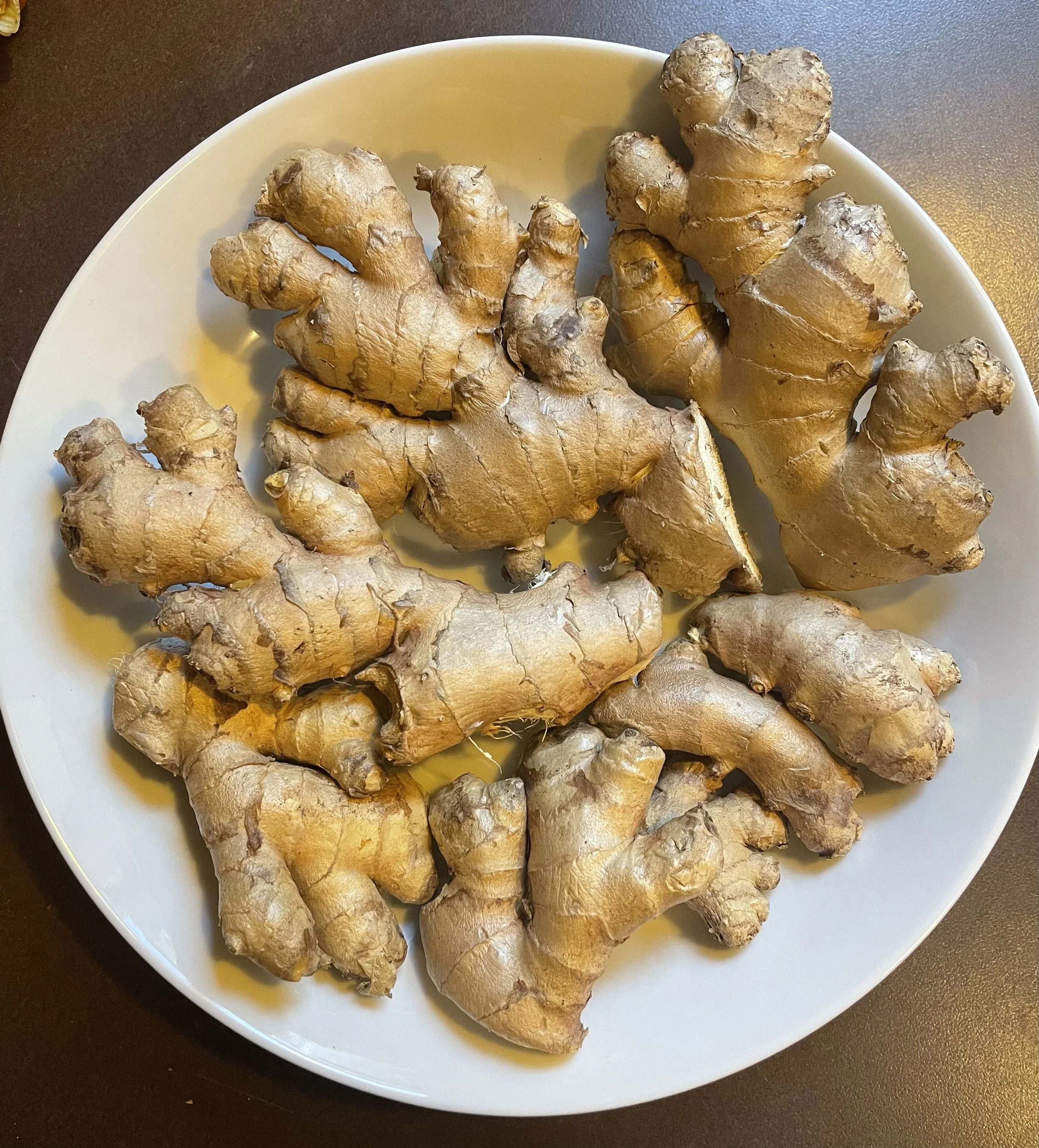
Ginger is one of my favorite spices! I love adding ginger to smoothies, tea, and cooking. Ginger contains bioactive compounds classified into three classes, gingerols, volatile oils, and diarylheptanoids. These bioactive compounds have attributed to ginger’s antioxidant, anti-inflammatory, anti-emetic, anti-rheumatic, anti-cancer, neuroprotective, and anti-microbial properties. Ginger has been used to prevent and manage Type-2 diabetes, arthritis, cardiovascular and obesity. It contains minerals like potassium, magnesium, calcium, and phosphorus.
~References~
1. Chen L, Zhu Y, Hu Z, Wu S, Jin C. Beetroot as a functional food with huge health benefits: Antioxidant, anti-tumor, physical function, and chronic metabolomics activity. Food Sci Nutr.
2. Mirmiran P, Houshialsadat Z, Gaeini Z, Bahadoran Z, Azizi F. Functional properties of beetroot (Beta vulgaris) in management of cardio-metabolic diseases. Nutr Metab (Lond).
3. Shaukat MN, Nazir A, Fallico B. Ginger Bioactives: A Comprehensive Review of Health Benefits and Potential Food Applications. Antioxidants (Basel).